You’ve probably side-eyed a public toilet seat at some point. Fair enough. But if that’s where your hygiene concerns begin and end at work, you may be overlooking the surfaces that are genuinely putting your team at risk.
The research is consistently surprising. The surfaces most people worry about least tend to carry the highest bacterial loads – and the ones that get the most nervous attention are often the least problematic.
Here’s what the data actually shows.
Your keyboard is a biohazard you type on daily
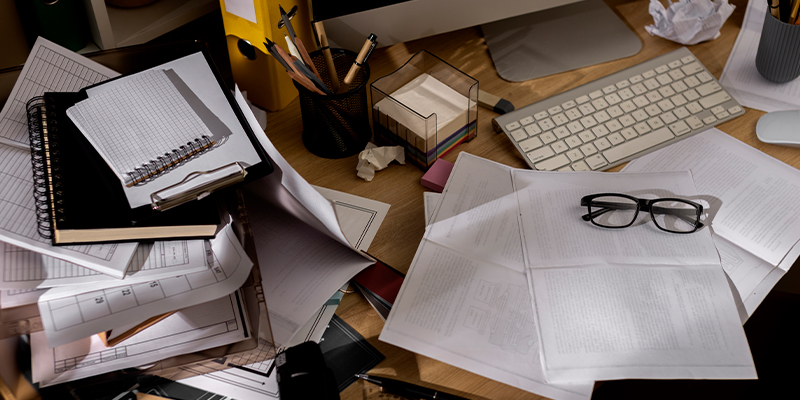
Studies have found that the average office keyboard harbours up to 7,500 bacteria per swab – roughly five times more than a toilet seat. It’s warm, rarely cleaned, and touched hundreds of times a day by hands that have been everywhere. If you eat at your desk, the number climbs even further.
The office coffee machine is worse than you think
The drip tray and water reservoir of a shared coffee machine are among the most bacteria-rich surfaces in any workplace. Warm, moist, and almost never properly sanitised, they provide ideal conditions for mould and bacterial growth. One study identified more than 35 different genera of bacteria living in coffee machine reservoirs alone!
Your phone – desk and mobile – carries everything you do
The average mobile phone carries ten times more bacteria than a toilet seat. Your desk phone, shared between colleagues and rarely wiped down, can be just as problematic. Both are touched constantly, held close to the face, and almost never included in standard cleaning routines.
The original touchscreens – lift buttons and door handles
These are touched by every person who passes through a building, often without a second thought. In high-footfall environments, a single contaminated surface can transfer pathogens to dozens of people within hours. Studies conducted during flu season have traced outbreak patterns directly to communal touch points like these.
The breakroom sponge
If your office kitchen has a shared sponge, it is almost certainly one of the most contaminated items in the building. Warm, wet, and used to clean surfaces and utensils, a kitchen sponge can harbour billions of bacteria – including E. coli and salmonella – within just days of use.
So what does this mean in practice?
Cleanliness in a workplace isn’t just about appearances. It directly affects absenteeism, productivity, and the health of your team. The surfaces that look clean often aren’t – and the ones that get cleaned most thoroughly are frequently the least problematic.
Professional cleaning isn’t a box to tick. It’s a system – one that accounts for touchpoints, traffic patterns, and contamination risk in a way that ad hoc wiping simply can’t replicate.
At Red Alert Service Solutions, our hygiene and cleaning protocols are built around how spaces are actually used – not how they look at a glance. Because cleanliness you can’t see is the cleanliness that matters most.