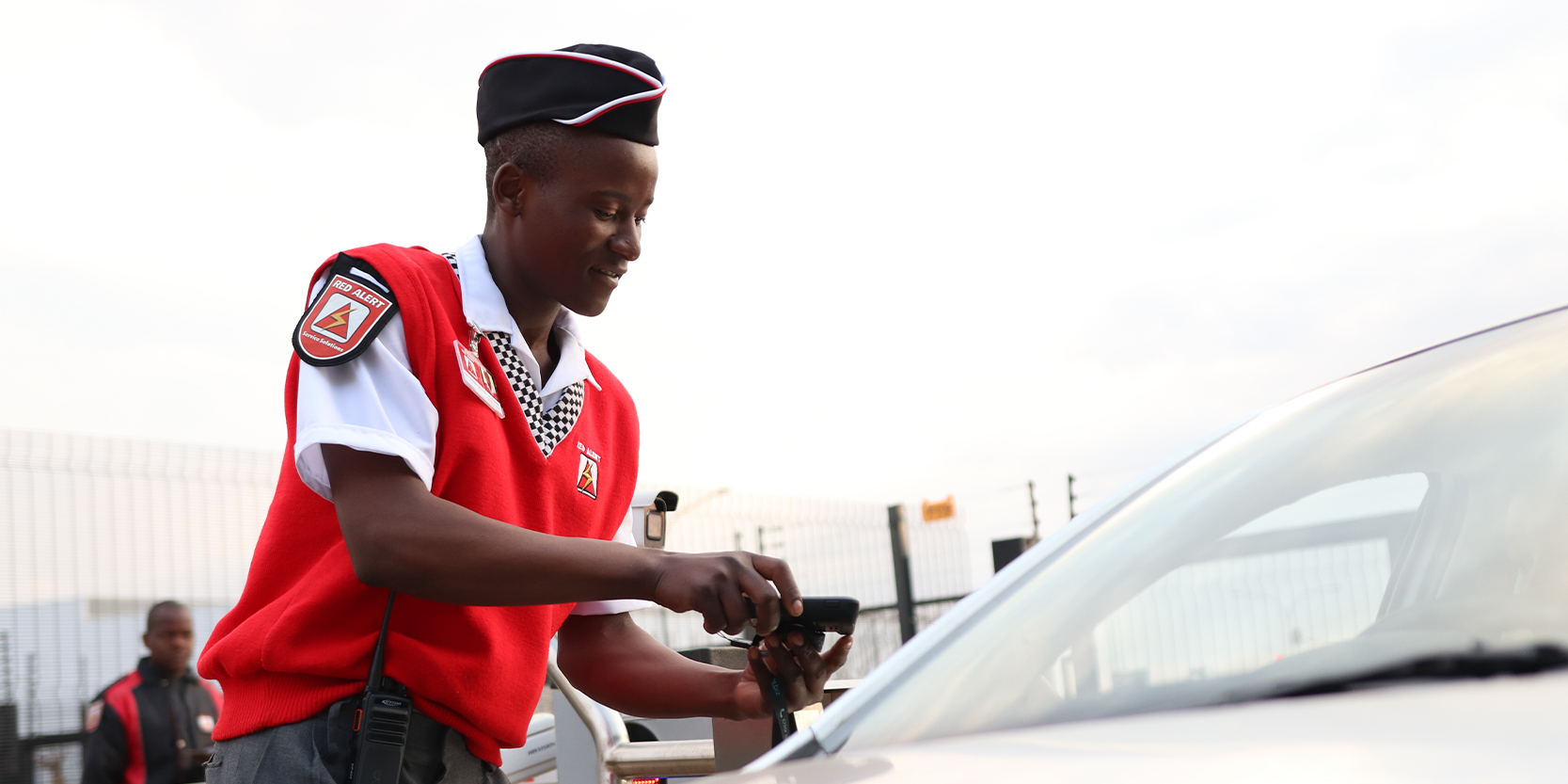
Every angle secured. Every corner covered.
Think about the last time you noticed a security officer doing their job well. Or a cleaner doing theirs.
You probably didn’t. That’s the point.
Security and cleaning are two of the least noticed jobs in any building, and two of the most important. They look very different, but they share a standard.
They’re noticed only when they fail
Nobody writes to thank the guard for the break-in that didn’t happen. Nobody praises the washroom for not causing a complaint. A good day in either job is a quiet one.
That makes both easy to undervalue, and easy to cut when budgets tighten. It also makes them hard to judge. A building can look secure and clean without being either.
They’re judged by what doesn’t happen
The measure of good security is the absence of incidents: no unauthorised entry, no theft, no breach. The measure of good cleaning is the absence of problems: no outbreak, no failed audit, no complaint about the ablutions.
Proof, then, comes from the checks behind the work: officer monitoring and daily reports on one side, audits, supervision and documented schedules on the other. If your provider can’t show you how they know the job is being done, you’re taking it on trust.
They both depend on people
Technology helps. CCTV extends what an officer can see, and the right equipment and chemicals extend what a cleaner can do. But neither job runs itself.
Both depend on people who are selected carefully, trained properly and supervised consistently. A guard who isn’t briefed is a uniform at a gate. A cleaner who hasn’t been trained in chemical handling and infection control is a risk, not a service.
Both are regulated, and both should be
Private security in South Africa is regulated by PSIRA, which sets registration, grading and training standards. Cleaning carries its own obligations, including safe chemical handling under the Occupational Health and Safety Act, and recognised accreditation and quality standards.
If a provider treats compliance as a burden, that tells you something about the rest of the service.
Why it matters to South African businesses
Whatever your premises are, whether an office, a school, a retail centre or a warehouse, two things shape how people feel when they walk in: whether they feel safe, and whether the place is clean. Customers, staff and visitors notice both, usually within seconds.
Getting both right is rarely about large gestures. It’s about the same small things done every day: showing up, paying attention, and doing the job properly when nobody is checking.
One standard
That’s the standard we hold across Red Alert, whether it’s a guard at the gate or a cleaner in the corner of a classroom: consistent, supervised, trained and verifiable. It’s how we take action to earn trust.
To talk about your premises, call Red Alert on 043 703 4701 or visit redalert.co.za.